YHSublime April 5, 2015 April 5, 2015 At first I didn't believe it, then I researched a bit, and that snail would be super deadly! You tube "cone snail." Sent from my iPad using Tapatalk
Keraxis April 6, 2015 April 6, 2015 The incredibly toxic venom of the geographic cone snail has to be strong enough to paralyze instantly. Otherwise, the fish it preys on would swim away to die, and the slow-moving gastropod would have nothing for its efforts. Indigenous to the reefs of the Indo-Pacific, geographic cones grow to about 6 inches (15 centimeters) in length and have intricately patterned brown-and-white shells highly prized by shell collectors. The geographic cone is the most venomous of the 500 known cone snail species, and several human deaths have been attributed to them. Their venom, a complex concoction of hundreds of different toxins, is delivered via a harpoonlike tooth propelled from an extendable proboscis. There is no antivenin for a cone snail sting, and treatment is limited to merely keeping victims alive until the toxins wear off. Ironically, among the compounds found in cone snail venom are proteins which, when isolated, have enormous potential as pain-killing drugs. Research shows that certain of these proteins target specific human pain receptors and can be up to 10,000 times more potent than morphine without morphine 's addictive properties and side-effects.
sen5241b April 7, 2015 Author April 7, 2015 The incredibly toxic venom of the geographic cone snail has to be strong enough to paralyze instantly. Otherwise, the fish it preys on would swim away to die, and the slow-moving gastropod would have nothing for its efforts. Indigenous to the reefs of the Indo-Pacific, geographic cones grow to about 6 inches (15 centimeters) in length and have intricately patterned brown-and-white shells highly prized by shell collectors. The geographic cone is the most venomous of the 500 known cone snail species, and several human deaths have been attributed to them. Their venom, a complex concoction of hundreds of different toxins, is delivered via a harpoonlike tooth propelled from an extendable proboscis. There is no antivenin for a cone snail sting, and treatment is limited to merely keeping victims alive until the toxins wear off. Ironically, among the compounds found in cone snail venom are proteins which, when isolated, have enormous potential as pain-killing drugs. Research shows that certain of these proteins target specific human pain receptors and can be up to 10,000 times more potent than morphine without morphine 's addictive properties and side-effects. Amazing how many poisonous things there are in the sea like the blue spotted octopus
s2nhle April 7, 2015 April 7, 2015 Wow, that is scary. I have several missing fish including 6 lines wrass, and gobies. Still don't know what happened to them.
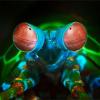
sen5241b April 7, 2015 Author April 7, 2015 (edited) Wow, that is scary. I have several missing fish including 6 lines wrass, and gobies. Still don't know what happened to them. I've heard tales of Mantis shrimps hitch hiking in when they are small and going on a fish kill spree Edited April 7, 2015 by sen5241b


Recommended Posts
Create an account or sign in to comment
You need to be a member in order to leave a comment
Create an account
Sign up for a new account in our community. It's easy!
Register a new accountSign in
Already have an account? Sign in here.
Sign In Now